
electromagnetic fields affect a circuit board
Electromagnetic fields (EMFs) are produced by the movement of electric charges and are pervasive in our technological environment. As circuit boards become integral components in countless electronic devices, understanding how EMFs affect their operation is crucial for ensuring performance and reliability. The interaction between EMFs and circuit boards can lead to various phenomena, including interference, heating, and performance degradation, all of which merit careful consideration during the design and application of electronic systems.
One of the most significant ways EMFs affect circuit boards is through electromagnetic interference (EMI). EMI occurs when electromagnetic radiation from external sources disrupts the normal operation of electronic components on a circuit board. This interference can manifest as noise in the signals, leading to errors in data transmission and processing. In sensitive applications, such as communication devices and medical equipment, maintaining signal integrity is paramount. Designers often employ shielding techniques and ground planes to mitigate EMI, creating barriers that protect the circuit from external electromagnetic fields. The careful layout of traces and the strategic placement of components can also help minimize the effects of EMI, ensuring that the circuit board operates effectively.
EMFs can also induce currents within circuit boards through a phenomenon known as electromagnetic induction. When a changing magnetic field passes through a conductor, it can generate a voltage and, consequently, a current in nearby conductive materials. In circuit board, this can lead to unexpected currents flowing through unintended paths, potentially causing malfunctions or damage to components. Inductive coupling is particularly concerning in densely packed circuits where multiple traces are close together. To combat this issue, engineers must carefully consider the routing of power and signal lines to minimize coupling effects, often employing twisted pair designs or differential signaling to enhance noise immunity.
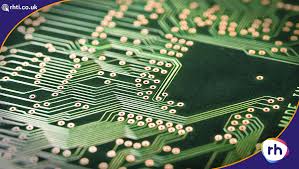
How do electromagnetic fields affect a circuit board?
Another impact of EMFs on circuit boards is related to heating. When alternating current (AC) flows through conductive traces, the circuit can produce heat due to resistance. Additionally, exposure to strong external electromagnetic fields can exacerbate this heating effect. Excessive heat can lead to thermal stress, adversely affecting the reliability and lifespan of components. Over time, this can result in issues such as solder joint failure, delamination of layers in multilayer boards, and even complete circuit board failure. Effective thermal management solutions, including heat sinks, thermal vias, and careful material selection, are essential for maintaining the operational temperature within safe limits and ensuring long-term reliability.
To address the challenges posed by EMFs, manufacturers often focus on achieving electromagnetic compatibility (EMC) in their designs. EMC refers to the ability of electronic devices to operate as intended in their electromagnetic environment without causing or being affected by EMI. Achieving EMC requires a comprehensive approach, including the design of circuit boards, selection of appropriate materials, and implementation of effective filtering and shielding techniques. Testing for EMC compliance is a critical step in the development process, ensuring that devices can coexist in the increasingly crowded electromagnetic landscape.
As technology continues to evolve, particularly with the rise of wireless communication and IoT devices, the implications of EMFs on circuit boards will become even more pronounced. Designers will need to stay informed about advancements in materials, shielding techniques, and best practices for minimizing EMI. Innovations in circuit board technology, such as the development of flexible and printed circuit boards, may offer new opportunities for enhancing electromagnetic performance while meeting the demands of modern applications.