
How Long Does a Roofing Installation Usually Take?
Homeowners planning a Roofing installation often want to know how long the process will take from start to finish. While timelines can vary, having a clear understanding of the main factors involved helps you prepare and set realistic expectations. Companies like Homze, known throughout the Portland and Seattle metro areas for dependable home improvement work and a smooth customer experience, follow structured processes to ensure efficiency without compromising quality. Whether you’re updating an aging roof or completing a full exterior renovation, knowing what goes into the schedule can help you plan your project with confidence.
Typical Timeframe for a Roofing Installation
Project Size and Roof Complexity
In most cases, a standard Roofing installation for an average-sized home takes one to three days. The duration depends heavily on the roof’s design. A simple roof with a single slope and minimal architectural features is faster to complete. In contrast, roofs with multiple ridges, chimneys, skylights, and steep pitches require significantly more time because the crew must navigate complex angles and ensure proper flashing around every feature.
Material Selection and Availability
The type of roofing material you choose also impacts the installation timeframe. Asphalt shingles remain the fastest material to install, while metal roofing or premium systems like slate or tile often take longer due to their weight and precision requirements. Companies such as Homze, known for prioritizing high-quality materials and expert craftsmanship, schedule these installations carefully to maintain durability and long-term performance. If specialized materials need to be ordered, the overall project timeline may increase before installation even begins.
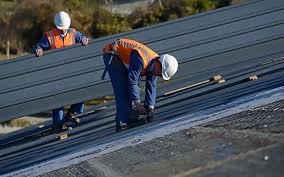
Weather and Seasonal Conditions
Outdoor conditions play a crucial role in any Roofing installation. Ideal weather is dry, mild, and stable. Rain, snow, or extremely hot temperatures may delay or extend the process. Roofing crews prioritize safety and product integrity, so if conditions threaten either, they may pause work temporarily. Homeowners in the Pacific Northwest, where changing weather is common, often rely on experienced teams who adapt schedules efficiently while maintaining a stress-free experience. This is especially important for customers visiting homze.com for project planning or service consultations.
Removal of Old Roofing
Before installing a new system, the existing roof typically needs to be removed. This step can take several hours to a full day depending on the number of layers and the condition of the old materials. If the underlying decking shows signs of moisture damage or deterioration, repairs may extend the timeline. Although these fixes are unplanned, they are essential for ensuring your roof’s longevity and structural safety.
Crew Size and Professional Expertise
A well-trained and adequately staffed crew can complete projects more efficiently. Experienced installers work in coordinated steps that speed up progress without sacrificing quality. Local homeowners often choose companies with strong reputations for reliability and customer-focused service, which helps keep projects on schedule. Choosing an expert-led team also means the job is more likely to be done right the first time, preventing future delays caused by avoidable repairs.
Final Inspection and Cleanup
Once the main Roofing installation is complete, crews perform a thorough inspection to confirm everything meets quality standards. This includes checking flashing, ridge caps, ventilation, and seals. Cleanup and debris removal follow, adding a few hours to the overall process. Although these final tasks may seem small, they play an important role in ensuring a smooth, hassle-free experience for homeowners.
In summary, while most projects take just a few days, factors like roof complexity, materials, weather conditions, and necessary repairs can influence the timeline. Working with a trusted team ensures your home gets a durable, expertly installed roofing system. For those exploring additional exterior improvements, learning how elements like a roof integrate with siding, gutters, and more can help you plan a complete upgrade.


