
wholesaler’s responsibility in product distribution
Understanding what is a wholesaler and their role in product distribution is essential to appreciating their importance in the supply chain. A wholesaler acts as an intermediary between manufacturers and retailers or businesses, buying products in bulk from manufacturers and reselling them in smaller quantities. Wholesalers perform a number of responsibilities in product distribution, ensuring that goods flow smoothly from production to retail shelves or businesses. These responsibilities go beyond just providing products to retailers, as wholesalers manage inventory, maintain relationships, offer logistical support, and ensure timely delivery.
One of the primary responsibilities of a wholesaler in product distribution is sourcing and maintaining a steady supply of goods. A wholesaler must work closely with manufacturers to secure products at favorable prices, ensuring that they can offer competitive rates to their customers, such as retailers or other businesses. This involves negotiating pricing, understanding production schedules, and ensuring the availability of goods. By managing these relationships, wholesalers ensure that their clients have consistent access to the products they need to keep their operations running smoothly. In many cases, wholesalers have long-term contracts with manufacturers, ensuring a steady stream of products at stable prices.
In addition to sourcing products, wholesalers are responsible for managing inventory. This involves not only maintaining adequate stock levels but also ensuring that inventory is stored correctly to avoid damage or loss. Wholesalers often invest in large warehouse spaces to store their products before distributing them to retailers. The responsibility of managing inventory includes forecasting demand, tracking stock levels, and ensuring that products are delivered promptly when needed. If inventory is not managed efficiently, wholesalers risk running out of stock or overstocking products, both of which can negatively impact their relationships with buyers. For wholesalers, effective inventory management is crucial to maintaining the balance between supply and demand.
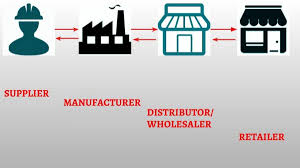
What is a wholesaler’s responsibility in product distribution?
Another key responsibility of what is a wholesaler in product distribution is logistics and delivery. Wholesalers must ensure that products are delivered to retailers or businesses in a timely and cost-effective manner. This responsibility includes selecting the best shipping methods, managing delivery schedules, and ensuring that orders are filled accurately. Whether a wholesaler is delivering products locally or internationally, they must consider the costs and efficiency of their distribution network. For example, wholesalers often partner with third-party logistics providers (3PLs) to streamline their distribution process, providing better shipping rates and ensuring quicker delivery. Ensuring timely delivery is essential to maintaining strong relationships with customers who rely on wholesalers to provide the right products when they are needed.
Wholesalers also play a role in ensuring that the products they distribute meet quality standards. While manufacturers are primarily responsible for the production process, wholesalers must inspect goods before shipping them to retailers. This quality control process helps ensure that retailers receive products that are in good condition and meet consumer expectations. For example, wholesalers often check for damaged goods, defects, or expiration dates (for perishable items) before making shipments. If problems arise, wholesalers must address the issue with manufacturers, ensuring that faulty products are replaced quickly.
An important, yet often overlooked, responsibility of wholesalers is providing customer support to their buyers. Wholesalers need to be responsive to the needs of retailers or businesses, assisting with product inquiries, order issues, or logistical concerns. Many wholesalers offer post-sale support to ensure that customers are satisfied with their products and services. This relationship-building helps wholesalers retain long-term clients, which is important for sustaining business success. Additionally, wholesalers often provide valuable advice or insights into product trends, helping buyers make informed decisions about the goods they stock.
Finally, wholesalers are responsible for offering competitive pricing and payment terms. By buying in bulk directly from manufacturers, wholesalers can negotiate lower prices, which they can then pass on to retailers or businesses. Wholesalers often set up flexible payment terms, such as credit options or installment plans, to make it easier for buyers to manage their cash flow. This financial flexibility is a key reason why retailers prefer working with wholesalers, as it allows them to acquire inventory without paying for it all upfront.
In conclusion, a wholesaler’s responsibility in product distribution extends beyond merely purchasing and reselling products. From sourcing and managing inventory to logistics and providing customer support, wholesalers are crucial to the smooth functioning of the supply chain. Understanding what is a wholesaler and their role in product distribution highlights their essential function in connecting manufacturers with retailers or businesses and ensuring that products are available where and when they are needed. Through effective management and strong relationships, wholesalers contribute significantly to the efficiency of global and local commerce.