
Reflow Soldering in Prototype PCB Assembly
For electrical engineers and product designers, reliability isn’t a luxury: it’s a prerequisite for putting products into the market. Prototype PCBs must meet stringent quality standards in order to be trusted to power a device and maintain stability throughout its lifespan. That’s why it’s essential to invest in rigorous inspection procedures that catch issues early and avoid costly rework or field failures. This article will examine key aspects that contribute to the overall reliability of a prototype printed circuit board assembly.
Preventive measures include meticulous design review and verification, ensuring that the final assembly adheres to the initial specifications. It also includes sourcing premium materials and components, ideally from reputable suppliers that are familiar with the design’s intended performance and functionality. Finally, manufacturing precision is equally crucial: accurate soldering, adherence to design specifications and precision in component placement are all vital components of a reliable prototype.
Once the bare board has been fabricated, the next step is to assemble it with the appropriate components. This involves placing the correct parts in their proper locations and ensuring that all connections are functioning correctly. The process can be complex, requiring detailed knowledge of circuitry and an understanding of how the different components will interact. It’s also important to maintain detailed documentation throughout the assembly process in order to trace issues and identify areas for improvement.
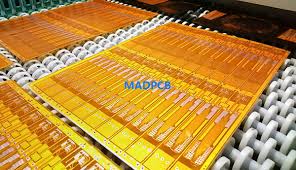
What is Reflow Soldering in Prototype PCB Assembly?
In addition to ensuring that all connections are functioning properly, it’s also critical to test the prototype PCB for functional integrity. This can be accomplished by running the circuit through a range of environmental tests. Some of the most common tests include thermal cycling, humidity testing and vibration testing. These tests simulate the conditions under which the prototype will be operated and can reveal a number of potential reliability concerns.
The most important aspect of ensuring reliability in the PCB assembly is careful inspection. This begins with the initial PCB design and ensures that all of the necessary details are accounted for. It continues through the sourcing and selection of components, and it finally encompasses the precise assembly and testing procedures. Rigorous quality control measures such as AOI and X-ray inspection are known to be effective in catching problems that could affect a prototype’s reliability.
Despite the rigorous quality control procedures in place, it’s still possible for an issue to slip through the cracks. The best way to protect against this is by incorporating the principles of Design for Manufacturability (DFM) into the PCB design. DFM helps designers create boards that are optimized for cost-effective production, reduce waste and eliminate errors in the assembly process. It also enables them to take advantage of efficiencies in manufacturing and assembly, further boosting a prototype’s reliability.
It’s therefore essential to work with an experienced and trustworthy manufacturer that offers a full suite of DFM services to deliver the highest level of quality in every stage of the prototype development process. This can prevent issues from arising later in the production process, helping to ensure a high-quality product that will perform as expected throughout its lifespan.