
PCB fabrication and assembly important in electronics
PCB fabrication and assembly are fundamental processes in electronics manufacturing, playing a vital role in the creation of almost every modern electronic device. Printed circuit boards (PCBs) are the backbone of electronic systems, providing the necessary foundation for connecting and supporting the components that make devices function. Without high-quality PCB fabrication and assembly, the reliability, efficiency, and performance of electronic products would be compromised.
PCB fabrication and assembly are important because they ensure the physical and electrical integrity of electronic devices. During PCB fabrication, the design of the circuit is etched onto a copper-clad board, creating precise pathways for electrical signals. This process is essential because it establishes the connectivity between different components, such as resistors, capacitors, and microchips. Any mistake or flaw during PCB fabrication can lead to poor electrical performance, malfunction, or even failure of the entire device. As devices become smaller and more complex, the precision required in PCB fabrication has increased, making it an even more critical part of electronics manufacturing.
Once the PCB is fabricated, the next step is the assembly process, where the electronic components are placed and soldered onto the board. The accuracy of PCB assembly directly impacts the functionality and durability of the final product. Inaccurate placement of components or faulty soldering can result in defective connections, leading to malfunctioning circuits or complete device failure. With advancements in automated assembly technologies, such as pick-and-place machines and robotic soldering, manufacturers can ensure consistent, high-quality assembly that meets strict standards. The importance of PCB fabrication and assembly cannot be overstated, as even the smallest defect can lead to significant issues, such as short circuits, overheating, or poor signal transmission.
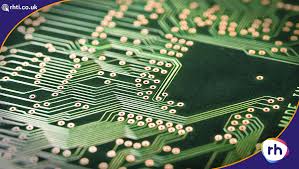
Why is PCB fabrication and assembly important in electronics?
Another reason why pcb fabrication and assembly are so crucial is the growing demand for high-performance, compact, and multifunctional electronic devices. With innovations in areas such as smartphones, wearables, and Internet of Things (IoT) devices, there is an increasing need for complex PCBs that can handle more components and deliver faster processing speeds. Multi-layer PCBs, which stack multiple layers of circuitry, are often used in such applications to increase the density of connections while maintaining a compact form factor. PCB fabrication and assembly must accommodate these intricate designs to ensure the product’s performance meets consumer expectations.
Additionally, the materials used in PCB fabrication and assembly are essential in determining the durability and efficiency of electronic devices. The choice of base materials, such as FR4 (fiberglass) or high-frequency laminates, affects the overall thermal, mechanical, and electrical properties of the PCB. Proper fabrication ensures that these materials are correctly applied, allowing for the efficient transfer of electrical signals and preventing issues such as overheating or signal interference. The assembly process also requires careful attention to detail, particularly when integrating components that require specific handling, such as heat-sensitive parts or microchips with fine-pitch leads.
Lastly, the importance of PCB fabrication and assembly is underscored by their impact on cost, production time, and scalability. High-quality PCB fabrication and assembly are crucial for reducing the likelihood of defects, which can lead to costly rework or product recalls. Manufacturers who ensure that their PCB fabrication and assembly processes are optimized can reduce production costs and improve lead times. Additionally, as electronic devices continue to evolve, the ability to efficiently scale up PCB production while maintaining consistent quality is essential for meeting market demands.
In conclusion, PCB fabrication and assembly are indispensable in the electronics industry, ensuring the functionality, performance, and reliability of electronic devices. The growing complexity of electronic products requires highly precise fabrication and assembly processes to meet the increasing demands for smaller, faster, and more efficient technologies. As technology continues to advance, the importance of high-quality PCB fabrication and assembly will only become more pronounced.